

Researchers Transform Polymer Coated Contact Lenses Into Next Gen Electronics

The rapidly evolving arena of wearable electronics witnesses proof-of-concept research on an ultra-thin film coating technology, that can turn contact lenses into computer screens hoping to also offer medical benefits, such as featuring sensors for monitoring health bio markers. Scientists from Future Industries Institute (FII) of University of South Australia have completed research on the polymer film coating, which can conduct electricity on a contact lens and possibly integrate electrical circuits safe for human wear. The breakthrough technology could provide one of the safest methods to bring people and their smart devices closer together, FII Associate Professor Drew Evans was quoted as saying.
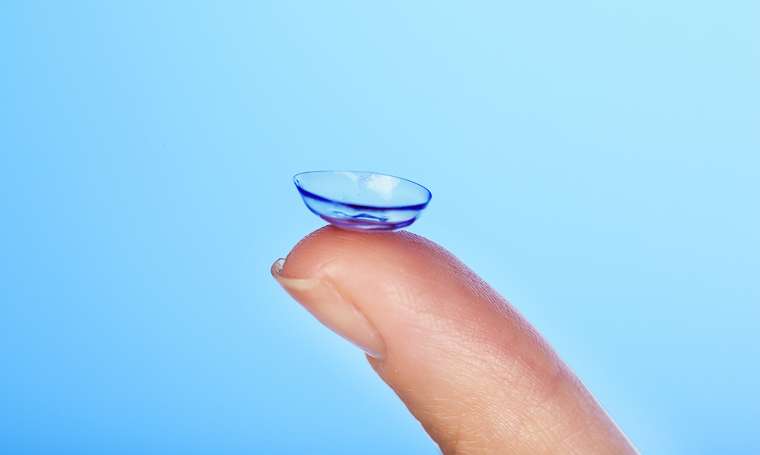
The conductive polymer used in the study is poly (3,4-ethylenedioxythiophene) (PEDOT) deposited from the vapour phase onto hydrated hydrogel substrates, which were further plasma-treated for providing better adhesive property. The researchers also seek to produce medical benefits through biocompatible conducting polymers at the nanoscale and growing them directly on a contact lens. The ground-breaking technology is completely safe, and the team plans to build a range of personalised health monitoring applications that could make life simpler for people struggling with chronic health problems.
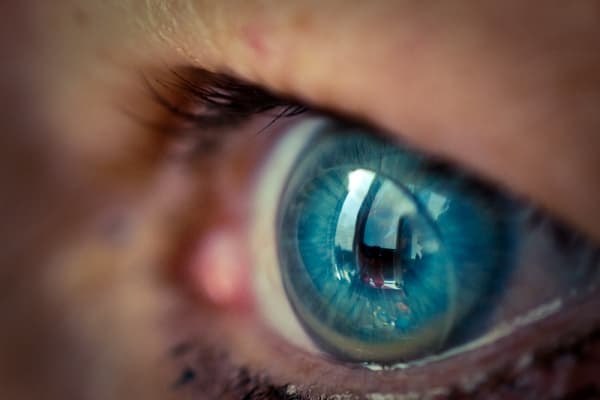
As the fluids in the eye provide markers of a person's health, they also aim to further focus on constructing electrical sensors on contact lens from polymers to sense in real time a person's well-being.
The team had earlier pioneered research on thin film coatings for the development of the worldâs first fully plastic car mirrors, and since then has been working with a UK partner specialising in contact lenses on development of conducting polymers.
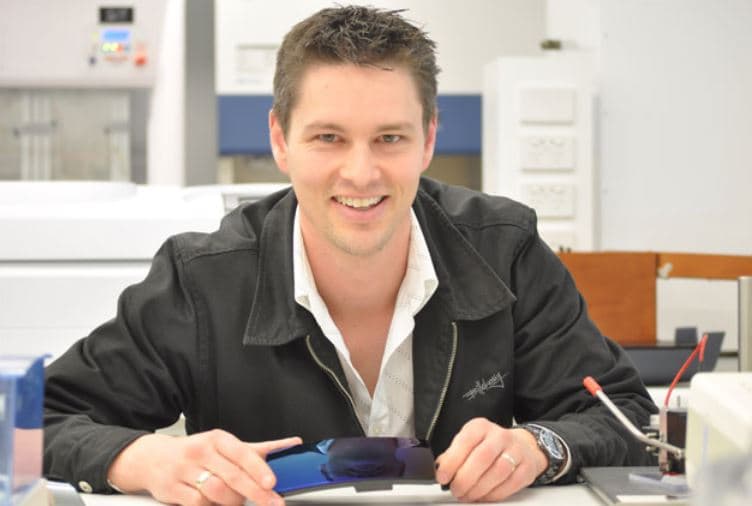
These wearable hi-tech contact lenses have sure brought personal, wearable, computer technologies one step closer; with the next big leap coming in form of developing complementary technologies to read the information transmitted by the conducting polymers, hope the scientists.
The research results were published in the journal#-Link-Snipped-#
Source: <a href="https://www.unisa.edu.au/Media-Centre/Releases/UniSA-puts-all-eyes-on-next-generation-electronics/#.Vrb_W_l97IU" target="_blank" rel="nofollow noopener noreferrer">UniSA puts all eyes on next generation electronics - News and events - University of South Australia</a>