

Nymi Bracelet Uses Your Electrocardiogram To Identify You

Dr. Karl Martin of Bionym Inc. hates passwords. He has tried password managers but he finds that its implementation on mobile devices is quite cumbersome. He knows biometric recognition systems like fingerprint readers, face identification and retinal scanners are not foolproof. So to come up with elegant yet highly secure solution he spent ten years in research and development and finally perfected the Nymi bracelet. This bracelet once worn and started up will monitor a personâs electrocardiogram and constantly authenticate the identity of the user. Electrocardiogram is a measure of the electrical activity of the heart and is unique to every person. Unlike fingerprints that can be picked up and replicated, a personâs ECG can never be duplicated.
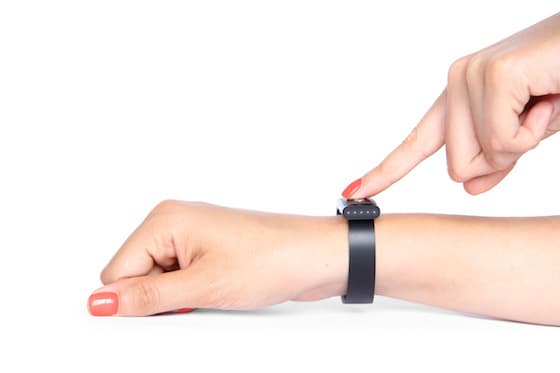
Once Nymi is on your arms, it helps you unlock your smartphone and tablet. It is also equipped with proximity sensors that sense your presence nearby. Dr. Martin envisions a future where this bracelet will be used everywhere user authentication is needed. For example, unlocking your car and altering its settings based on your preferences. You might be able to sit on your computer and it will automatically log-in to your social networking, mail and bank accounts without you having to enter your long complicated passwords. He is also imagines an interconnected system all the electronic devices will respond to your presence once you walk into a room and work according to your preferences.
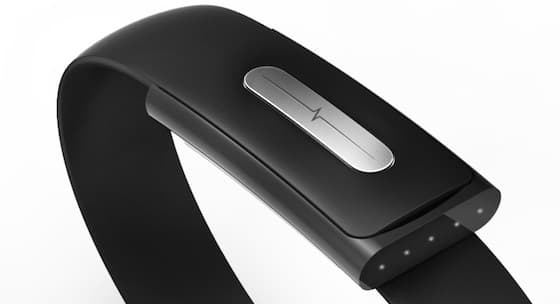
Nymi, is still being perfected will arrive within a year's time but you can still book it ahead of its launch on its #-Link-Snipped-# for $79. The idea is impressive but its implementation will decide its market success. So CEans, Let us know what you think about Nymi in the comments section below after you have watched the demo video given below.
Source: <a href="https://www.theverge.com/2013/9/3/4688162/bionym-nymi-could-replace-all-your-passwords" target="_blank" rel="nofollow noopener noreferrer">This bracelet could replace your passwords, your car keys, and even your fingerprints - The Verge</a>


