
Microsoft Research Comes Up With More Realistic Touchscreen Interaction

@abhijit-dey-damdBv
•
Oct 22, 2024
Oct 22, 2024
1.4K
Touchscreens are everywhere. They are now replacing the displays of almost every device we operate on, come in many sizes, from a small display on a watch, right up to a large TV. They have undergone drastic changes over the years, improving and getting better every time. Though touchscreens were the closest to a better feedback option in displays, it lacked one important feature, to give you a feedback about the depth of your touch. Touchscreens didn't have a feedback about the z-coordinate of the axis system, giving you interaction only in the x and y plane. Microsoft Research did the right thing and added the depth to the touchscreen.
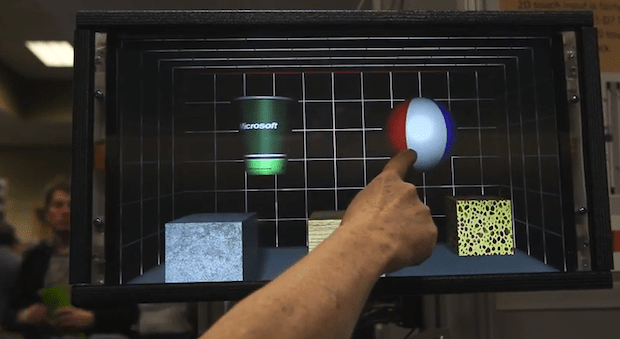
What the Microsoft Research team did is that they installed the screen on a robotic mount, and the mount moved according to the interaction of the user to the touchscreen. The device made the display move in the front and backward position in response to the users interaction on the display.
The video showing the whole arrangement and device lets you in on how the display gives the user a response to what and where the screen is being touched. As he touches the block, he has more resistance to move it around the screen while touching the balloon, he needed lesser effort. While touching the balloon he also gets a feedback about the contours and depth of his touch.
Touchscreens have evolved a lot and there are new concepts coming up to totally dump this type of interaction too with technologies like like Leapmotion. Microsoft doesn't have any plans to commercialize on this technology yet and it has to make sure that someone else doesn't take away the spotlight. This had happened when they had announced about the Microsoft Surface technology and suddenly the iPad was out in the market. Hoping this new concept to reach the concerned areas soon since it would find great interests in the medical and gaming field.
Source: <a href="https://gizmodo.com/a-robotic-moving-touchscreen-that-touches-back-512577137" target="_blank" rel="nofollow noopener noreferrer">A Robotic Moving Touchscreen That Touches Back</a>
What the Microsoft Research team did is that they installed the screen on a robotic mount, and the mount moved according to the interaction of the user to the touchscreen. The device made the display move in the front and backward position in response to the users interaction on the display.
The video showing the whole arrangement and device lets you in on how the display gives the user a response to what and where the screen is being touched. As he touches the block, he has more resistance to move it around the screen while touching the balloon, he needed lesser effort. While touching the balloon he also gets a feedback about the contours and depth of his touch.
Touchscreens have evolved a lot and there are new concepts coming up to totally dump this type of interaction too with technologies like like Leapmotion. Microsoft doesn't have any plans to commercialize on this technology yet and it has to make sure that someone else doesn't take away the spotlight. This had happened when they had announced about the Microsoft Surface technology and suddenly the iPad was out in the market. Hoping this new concept to reach the concerned areas soon since it would find great interests in the medical and gaming field.
Source: <a href="https://gizmodo.com/a-robotic-moving-touchscreen-that-touches-back-512577137" target="_blank" rel="nofollow noopener noreferrer">A Robotic Moving Touchscreen That Touches Back</a>