Replies
Welcome, guest
Join CrazyEngineers to reply, ask questions, and participate in conversations.
CrazyEngineers powered by Jatra Community Platform
-
@siddhant-4mGRnx • Jul 25, 2014
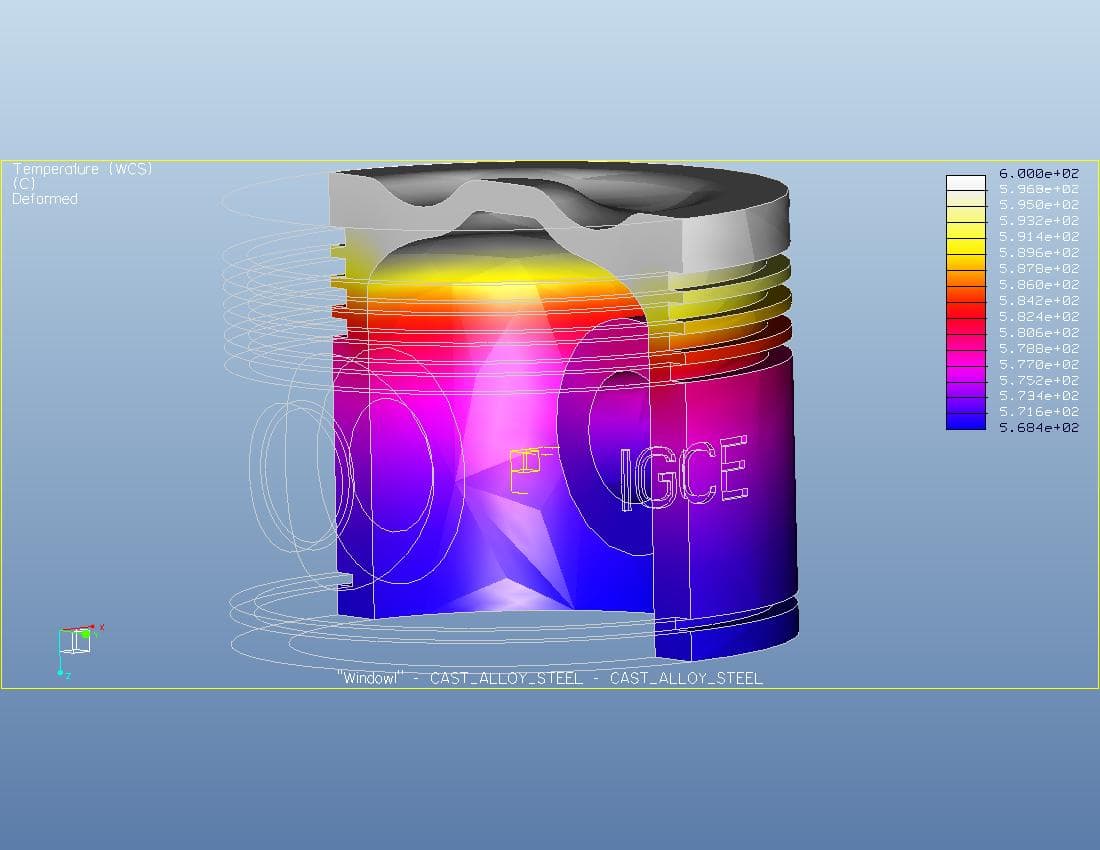
Generally components in diesel engine should have high inertia so that during the compression stroke there are less fluctuations in speed of piston because the compression ratio is so high. Aluminium alloys are tough but light and hence not used in diesel engines. It will be possible to run it but with a very heavy flywheel. why concentrate a heavy mass at a point its better to distribute it uniformly among moving components. Also did you do a simulation for fatigue? Generally aluminium alloys have a low endurance limit. Hence, not preferred in diesel engines. But, a lot of research is going on making aluminium alloys compatible for diesel engines for it lightweight will enhance responsiveness of the engine. -
@santhosh-m-75aqqB • Jul 26, 2014
Thanks a lot for ur suggestion #-Link-Snipped-#... Wil do it and tel u abt the results.... 😀 -
@dadisetty-e8Qu7A • Aug 16, 2014
sir please cn u give me a list or link for materials used for mfg engine n reson of using that material like u have given aboveS.mukherjeeGenerally components in diesel engine should have high inertia so that during the compression stroke there are less fluctuations in speed of piston because the compression ratio is so high. Aluminium alloys are tough but light and hence not used in diesel engines. -
@shashank-94ap1q • Sep 8, 2014
I work in the Engine Components Industry. I can give you a simple reason why it is not the case (why Al pistons are not used). Due to the high peak pressures in the diesel combustion chamber, higher fatigue and structural strength is required. This can be achieved only with steel forgings. Hence these pistons are steel, not Al. -
@sarathkumar-FEGRPw • Sep 9, 2014
thanks for providing simple and efficient explanationshashank MogheI work in the Engine Components Industry. I can give you a simple reason why it is not the case (why Al pistons are not used). Due to the high peak pressures in the diesel combustion chamber, higher fatigue and structural strength is required. This can be achieved only with steel forgings. Hence these pistons are steel, not Al.